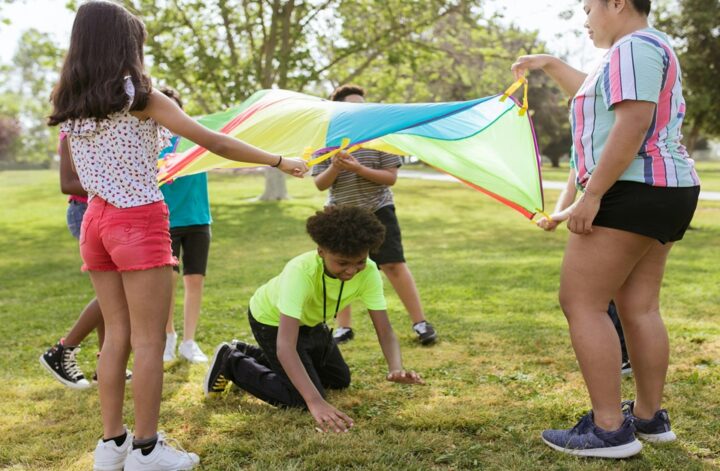
Do you want your children to escape the mundane routine and relax? Camps allow them to have a lot of fun in the indoor and outdoor areas. They encourage your little ones to gain new experiences and develop new skills. But, how does an indoor camp differ from an outdoor one?
The former offers a structured space with guided activities. On the contrary, the latter provides a world of boundless exploration and fresh air. Read the blog to understand the detailed comparison of various types of camps.
What Are Indoor And Outdoor Camps?
Indoor camps are designed to provide controlled environments for children. Schools and recreational centers set up these camps for skill-building activities. The most common aspects of an indoor camp for kids are:
- Safety control and closed supervision
- Activities like music and the arts
- Organized schedules
- Access to learning tools and equipment
Indoor camps are best for those who enjoy routine activities in a predictable setting.
In contrast, children who like to go beyond the walls prefer outdoor camps. Many curious and energetic kids go for this option to explore the world. Other aspects of outdoor camps include:
- Nature-based activities, including hiking and sports
- Opportunities for exploration and adventure
- Exposure to fresh
- Less rigid schedules
How Do Indoor Camps Benefit Children?
Camps set up in the indoor area of your premises provide a number of advantages.
- A secure environment – No concerns about extreme weather conditions
- Reduce your kids’ screen time – Distract your little ones from electronic devices.
- Engage in new hobbies – Indoor activities encourage your children to nurture their hobbies.
What Are The Benefits Of Camps For Kids?
A Friendswood day camp involves focused programs that are beneficial in various ways:
Confidence and independence –
Children engaged in outdoor activities can boost their self-esteem.
Mental and physical development –
Regular physical activities ensure better health and increased resilience.
Social skills –
Your kids will develop cooperation skills and teamwork.
Indoor Versus Outdoor Camps – Understand The Differences
You can now check the factors that differentiate indoor camps from outdoor ones.
Environment –
Indoor camps provide an enclosed space, but the outdoor ones expose your kids to natural settings.
Flexibility and structure –
Your children will enjoy adaptability with the outdoor camp. However, they need to maintain a strict schedule for indoor activities.
Weather dependency –
Weather conditions will not interfere with the indoor program for kids. For an outdoor camp, you may need to adjust the plan based on the weather.
Which Type Of Camp Is Best For Your Kids?
Most outdoor programs are intended for kids who are above 8 years old. Indoor camps are safe for younger children who need to develop creative skills, such as dance.
The choice between indoor and outdoor camps depends on your children’s needs. Some kids prefer a quiet room with learning tools and art supplies. However, others love to engage in adventurous activities. They want to build a connection to the surrounding world. So, communicate with your children to provide the best camp experience.